The dentist recommends braces but the baby teeth haven't all been exchanged — should you listen? Elders say "teeth straighten naturally after exchange," yet you hear that mouth breathing and thumb-sucking make things worse... For parents, the puzzling questions come down to a few: When should we start? Are extractions really necessary? Will extracting loosen teeth or affect eating? Once braces come off, is it truly over?
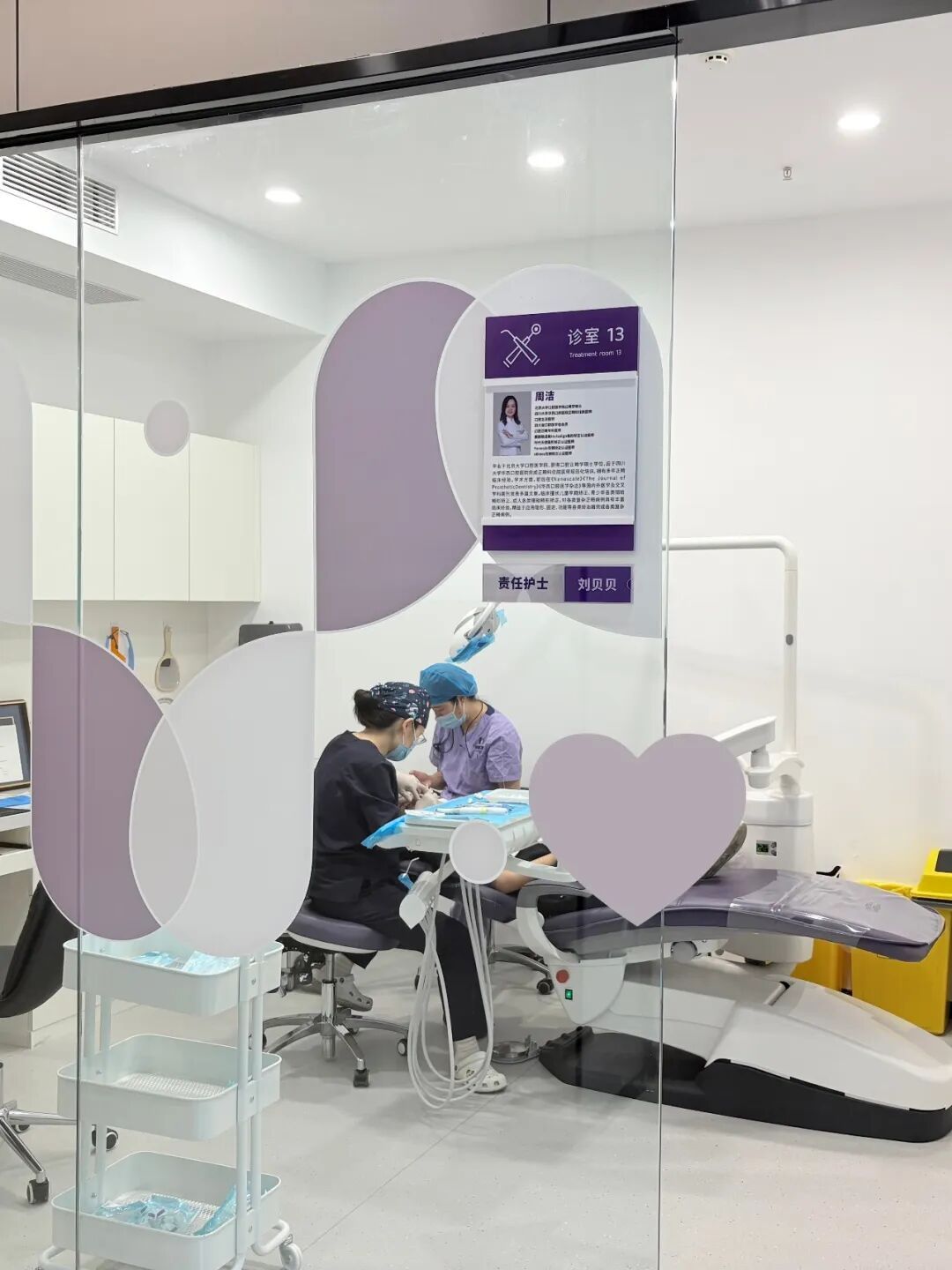
We've distilled the high-frequency knowledge from Dr. Jie Zhou's orthodontic series into 10 things to understand before children's and teen orthodontics — so you walk into the consultation prepared. (Reminder: science content cannot replace an in-person exam; the final plan follows the orthodontist's findings.)
01. Orthodontics can start even before all baby teeth are exchanged
Ages 3–12 are critical for tooth, jaw and facial development. Underbite, recessed chin or facial asymmetry call for early examination — and some situations need early treatment rather than waiting, or the best window is missed.
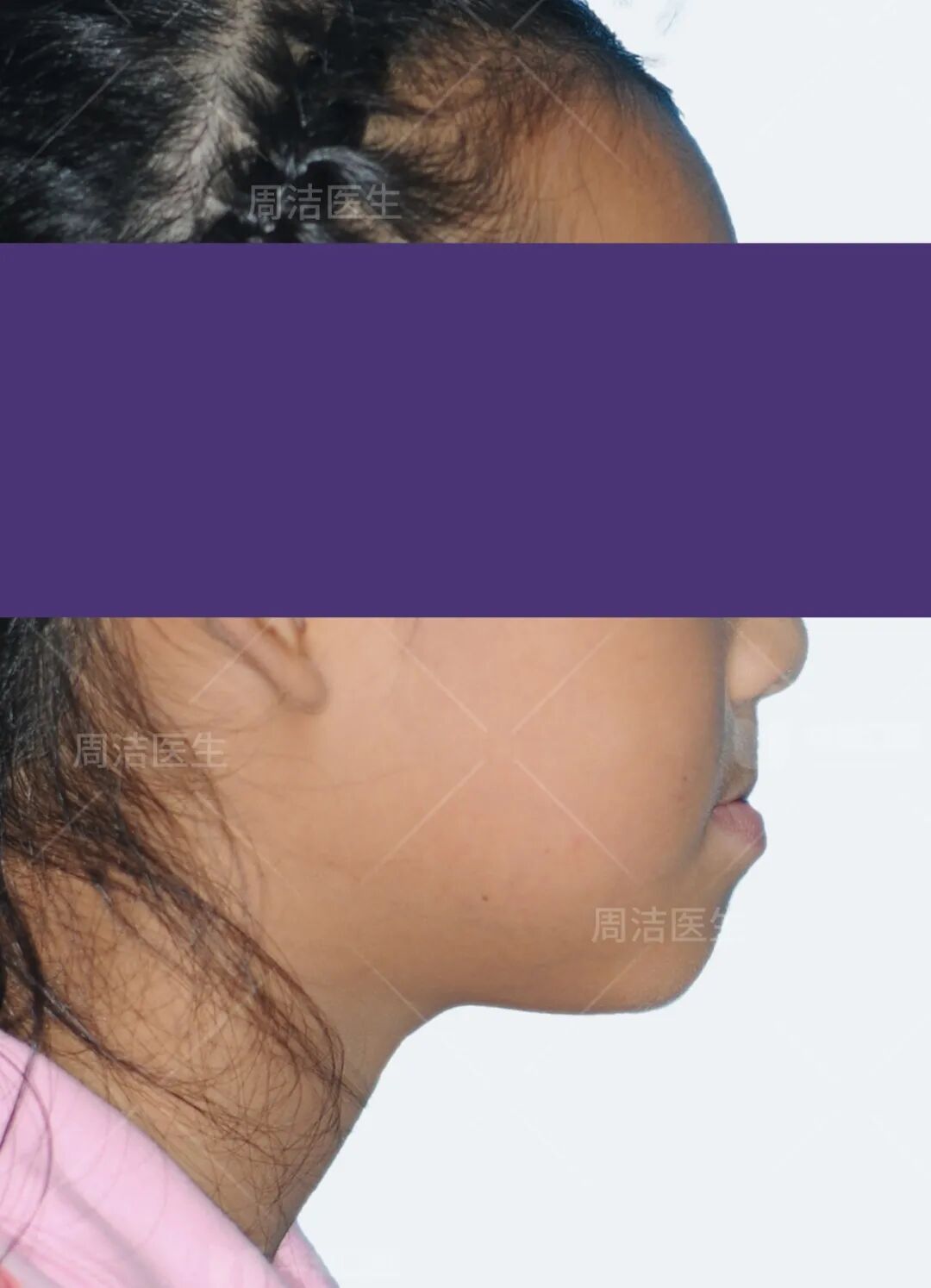
(For children's underbites, the strategy is to seize the growth peak: treat as soon as found.)
02. Stop these three habits
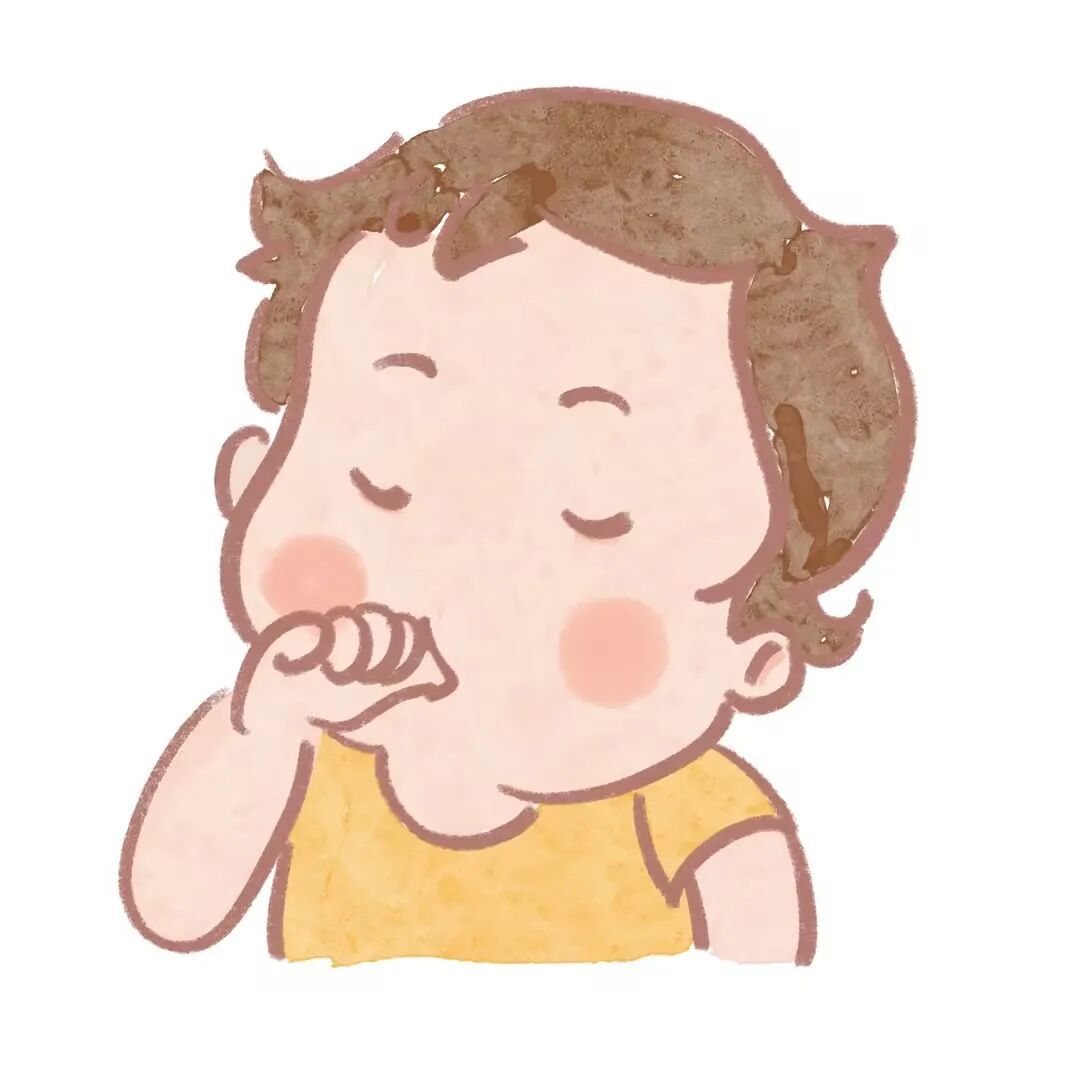
Thumb-sucking, tongue-thrusting, lip-biting: stop them! Thumb-sucking pushes the upper front teeth forward; tongue-thrusting keeps the upper and lower teeth from meeting; biting the lower lip pushes upper teeth forward; biting the upper lip can create an underbite.
03. Correct mouth breathing early
Many children breathe through the mouth. Over time the teeth crowd, the front teeth protrude and the chin recedes — affecting facial appearance. Correct the habit early. First see an ENT doctor to check nasal airway; once the nose breathes freely, work on the habit.
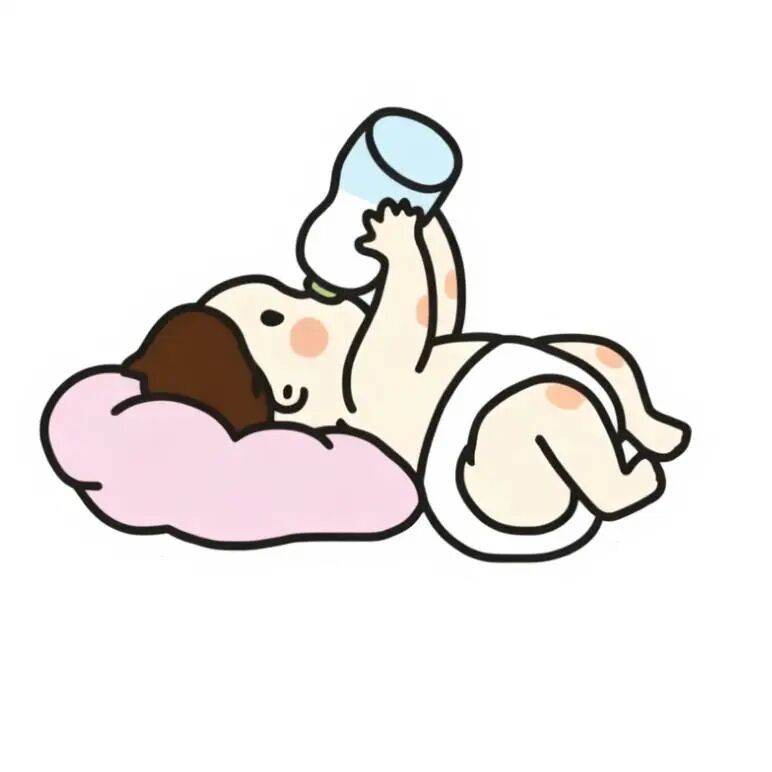
04. Never feed a baby lying flat at 180°
Babies who nurse lying flat must stretch the lower jaw forward to latch — trained that way, it can form an anterior crossbite ("underbite"). Even if not fully flat, a bottle tilted beyond 45° forces the same forward posture, eventually causing an underbite too.
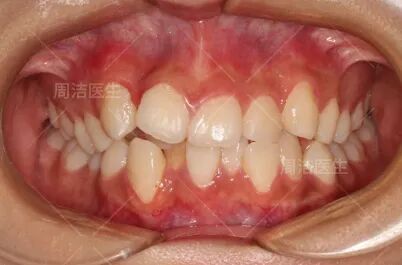
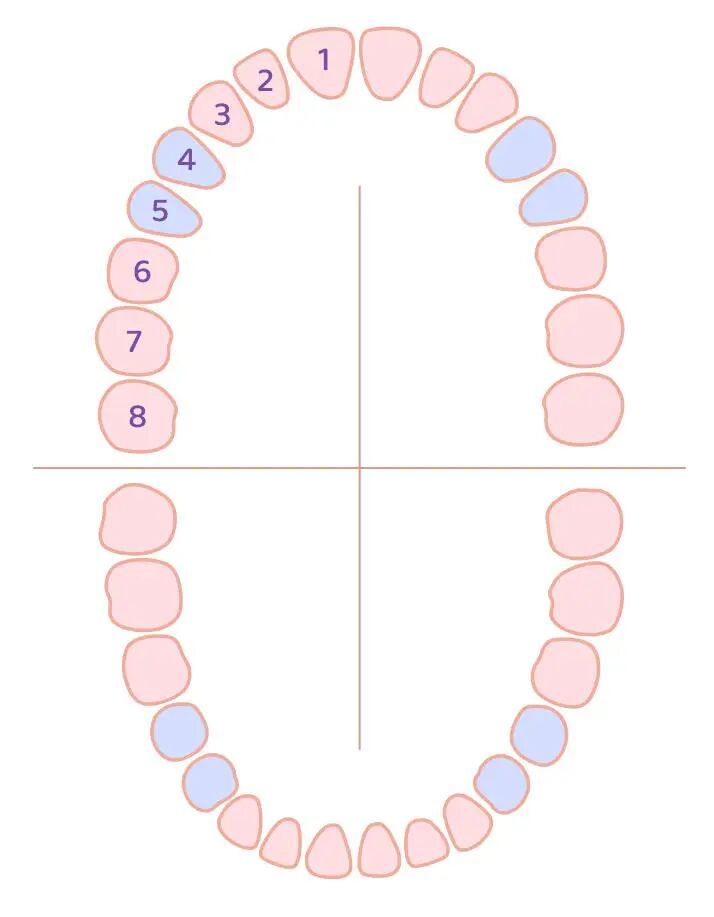
05. Orthodontic extraction happens because the bone can't house the roots
Braces align not only the visible crowns but also the roots inside the alveolar bone. Roots must fit within the bone's boundary — when teeth are too crowded for the available bone, extraction is needed.
06. Extraction does not loosen teeth
Teeth stand stable in the bone by their roots — like trees by their roots in soil, not by leaning on neighbors. After extraction orthodontics the remaining roots still stand firmly in the bone; teeth won't loosen.
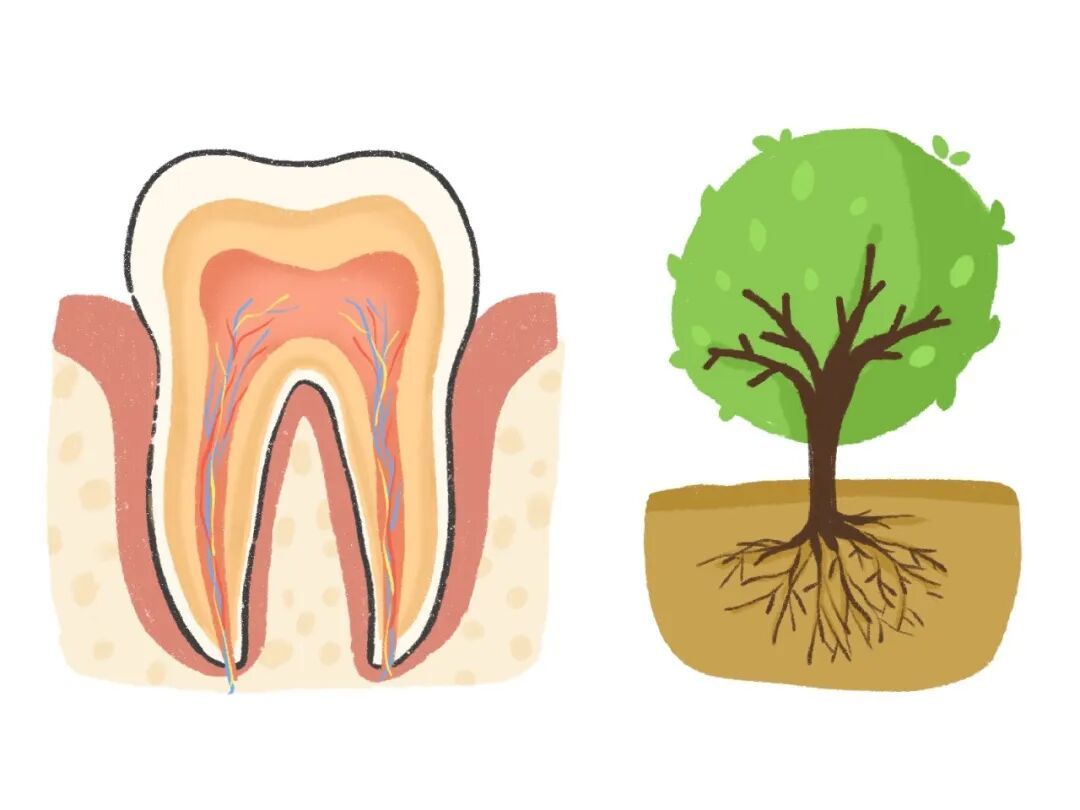
(Good periodontal condition is the premise of smooth orthodontics.)
07. Extraction doesn't harm chewing
"Fewer teeth — enough to eat with?" Yes. Whether and which teeth to extract is decided by comprehensive analysis of alignment, bite and facial profile. The teeth usually removed — premolars — have the least functional impact; effective chewing area remains sufficient.
08. Extraction requires anesthesia
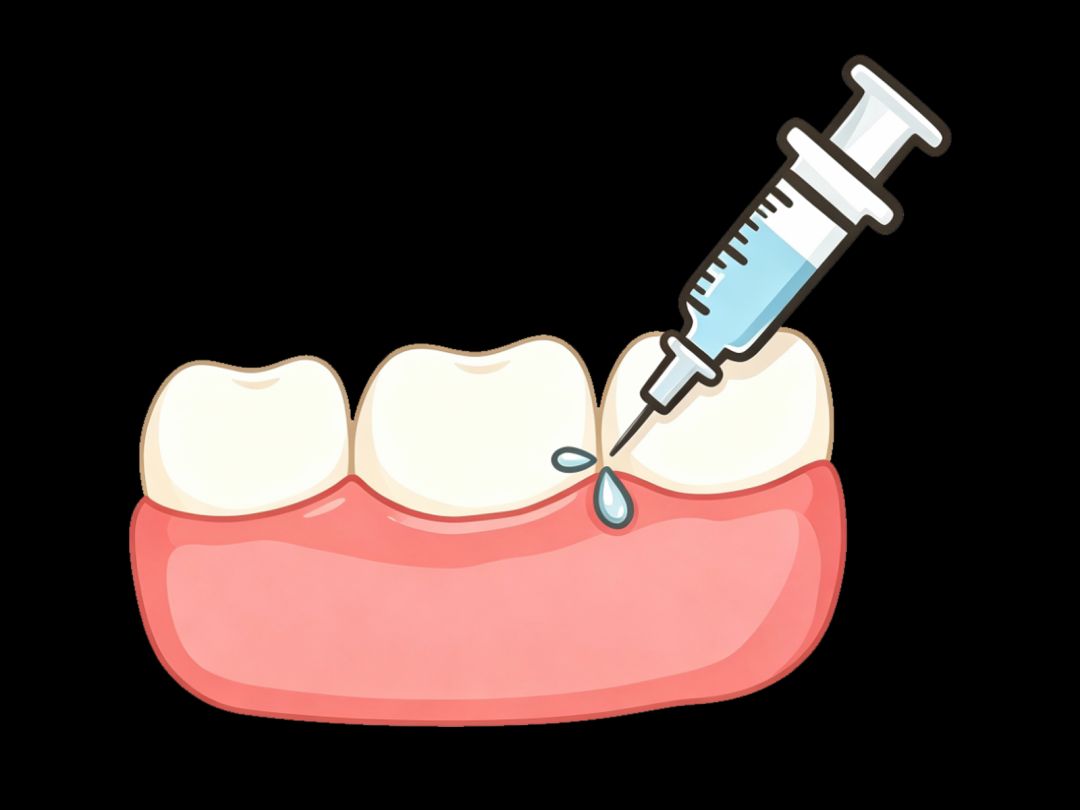
"I understand the extraction, but isn't it terrifying and painful? Is there anesthesia?" Of course. Modern anesthesia makes minimally invasive extraction essentially painless; there is brief postoperative soreness, and an orthodontic extraction site heals in 5–7 days.
09. After braces, you must wear a retainer
After the braces come off the bone, gums and muscles are still unstable and teeth tend to drift back — relapse. Wearing a retainer is how relapse is prevented.
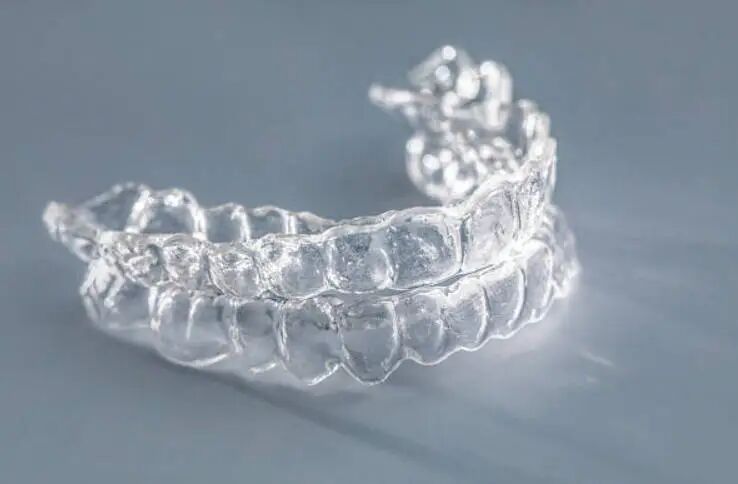
10. How long to wear the retainer? Follow your orthodontist
The first 6 months see the most relapse risk, easing after that. Typically year 1 is full-time wear (22+ hours daily, off only for meals and brushing), year 2 is nights only, then a few nights a week. Keep reviewing so your doctor can step the schedule down.
A reminder: braces are never the finish line. Aligning the teeth is step one — the retention phase is the real test of cooperation between parent and child, and the outcome is decided in those first year or two.
Every child's development differs — when to start, whether to extract, which appliance: there is no universal answer. These 10 points are the basics before your consultation; always let the orthodontist decide the specific plan.
If your child is in treatment, or you have questions about any point, leave a comment — and share with other parents who are wrestling with the same decision.
This article is general health education and does not replace individualized diagnosis and treatment advice. Author: Dr. Jie Zhou.

Master of Orthodontics, Peking University School of Stomatology · Resident, Orthodontics, West China Stomatological Hospital, Sichuan University · Attending Stomatologist · Orthodontic Specialist · Sichuan-licensed medical-aesthetics physician · Invisalign certified · Angelalign certified · Formula lingual certified · eBrace lingual certified · OBrace ball certified.