

Does this scene look familiar? At the dental clinic, the doctor casually says "let's take an X-ray first," and you break into a cold sweat with a dozen questions racing through your mind — Why do I need it? Can't we skip it? Isn't the radiation high? Does it cause cancer? Will it affect my child's growth? I'm pregnant or nursing! It's really not as scary as you think. In this edition of our science column, Dr. Huabing Liu explains everything about dental X-rays so you can be imaged with peace of mind.
I. What types of dental X-rays are commonly used?
Extractions need X-rays, implants need X-rays, orthodontics needs X-rays — even some fillings do. Almost every dental visit involves imaging, because even the most skilled doctor's naked eyes can only see what's above the gumline. The roots below and the structures around them can only be seen through the "X-ray vision" of imaging — which is what allows accurate diagnosis and treatment planning. Let's walk through the 4 most common types of dental X-rays.
No.1 Periapical (small) film
A periapical film is an X-ray of the teeth: one film shows 3–4 teeth and is suited to localized examination. It takes only seconds and develops instantly. Its small drawback: it's not suited to wisdom teeth, which sit too far back — the small film often cannot fully show the wisdom tooth's relationship to the nerve canal, which matters for extraction.
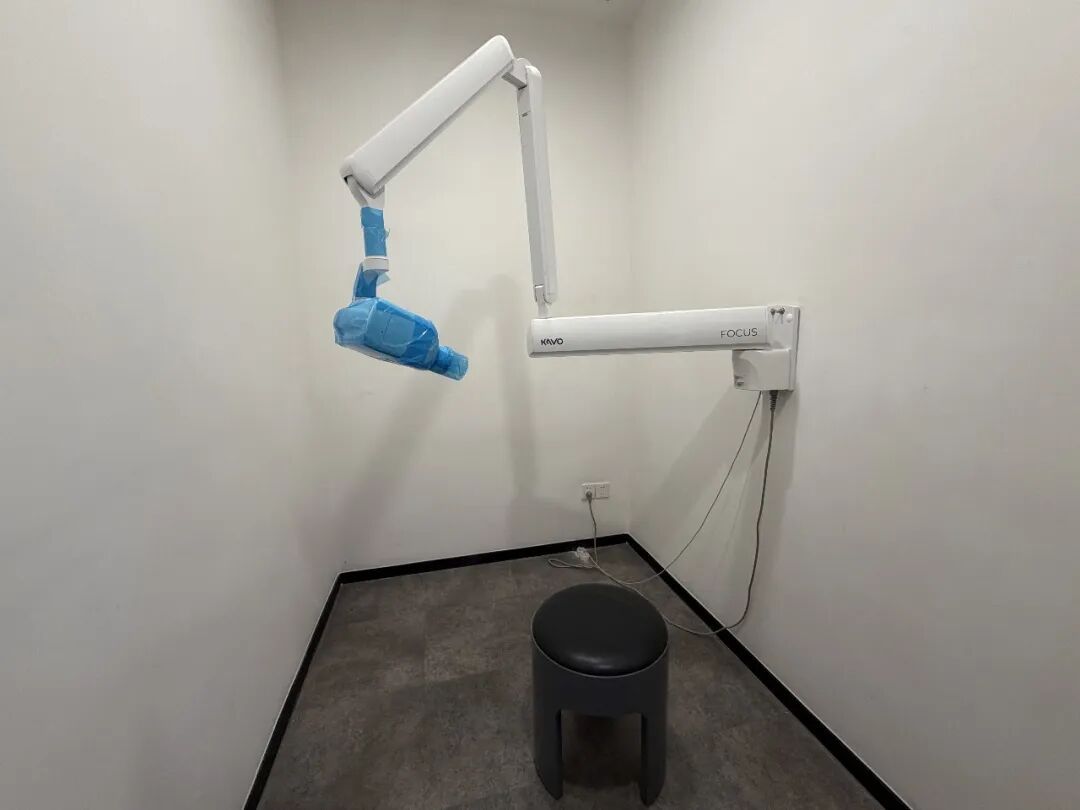
The small film is taken by this cute little "periapical X-ray unit": a small sensor is placed on the inner side of the tooth being imaged, the camera is aimed at the tooth, and one second later the film is done.
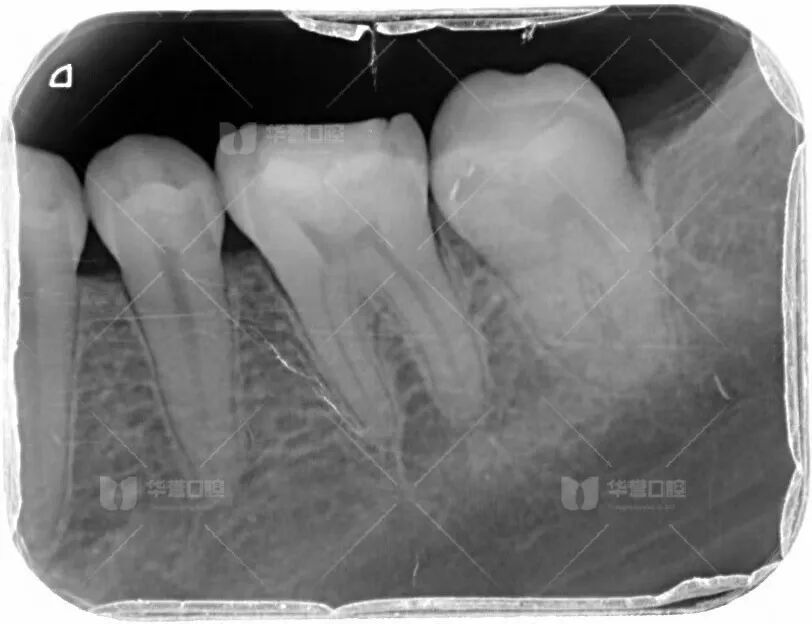
No.2 Panoramic film
If your wisdom tooth is aching, you may ask: the small film can't capture wisdom teeth, so what should I get? That's when the doctor orders a panoramic film. A panoramic film shows the entire upper and lower jaws, both dental arches and the alveolar bone clearly on a single image. When the doctor wants a "complete picture of you," this is usually the order.
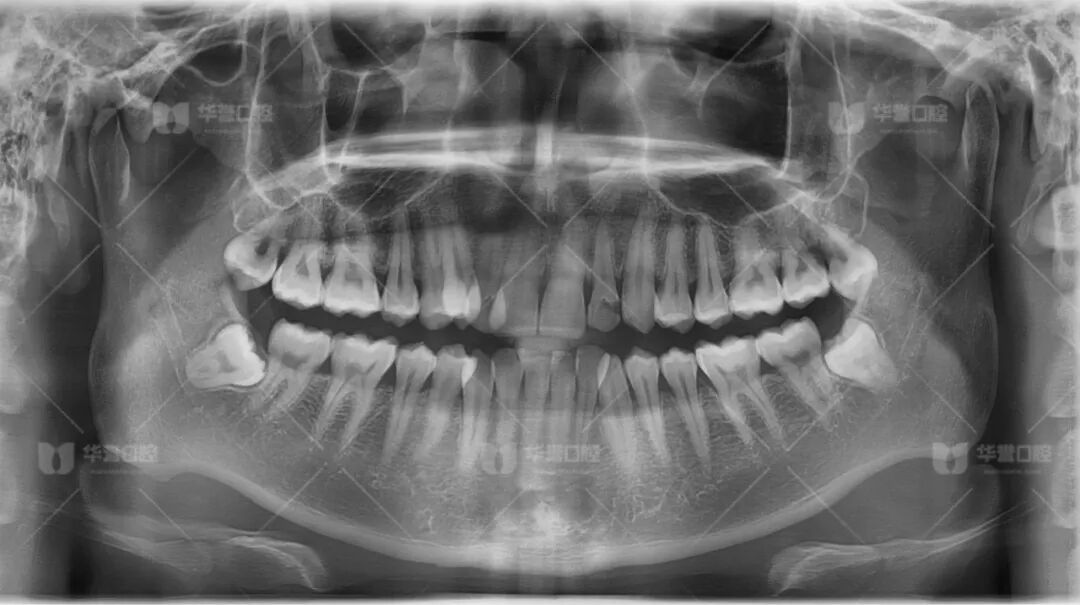
No.3 Lateral cephalometric film
If you've consulted about orthodontics, you may ask: why image my whole head for an orthodontic exam? Orthodontics isn't just about straightening crooked teeth — in most cases the relationship between the entire dentition and the jaws is also part of the problem, typically in children with an underbite. The lateral film clearly shows the relationship of dentition to jaws and the morphology and angles of the jaws themselves, helping the doctor plan precisely.
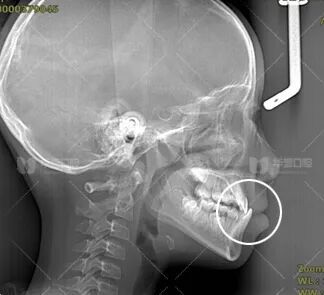
(Lateral cephalometric film) Orthodontic exams also include a panoramic film, from which the orthodontist looks at tooth count, periodontal and root condition, both TMJs, and jaw symmetry (rough assessment).
No.4 CBCT
The three types above are all two-dimensional. When the situation is more complex and the doctor needs to judge the three-dimensional relationship of a tooth to surrounding tissues, plus periodontal and joint conditions, a CT is required.
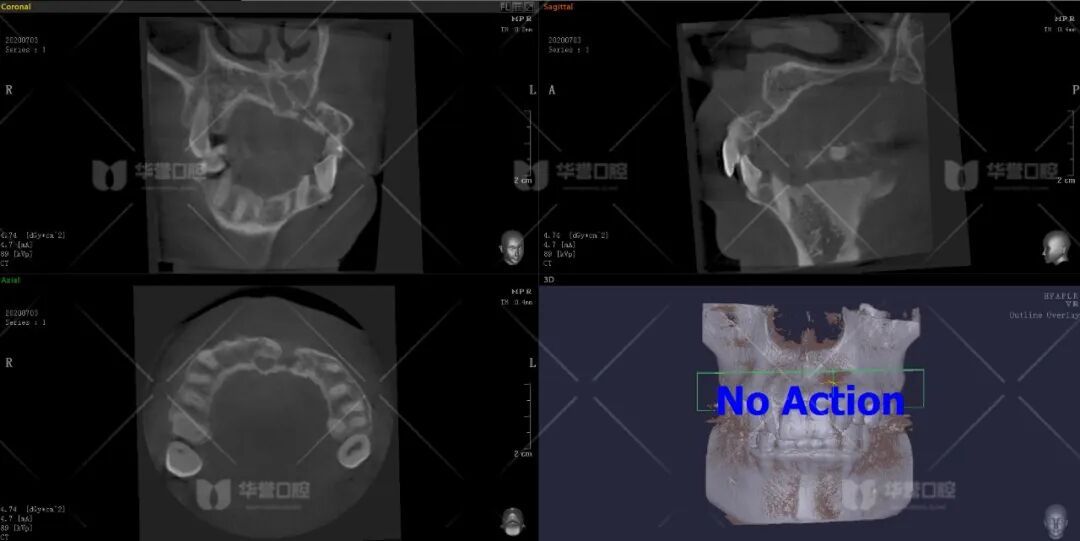
Confused? Overwhelmed? That's fine — after years at Huayu even our editor can't read a CT. Leave interpretation to the professionals who studied stomatology for a decade. When viewing films together, you can just say "this is my CT, right?" and pretend you understand.
Still nervous? Maybe because you imagine a CT like this — a person lying on a cold table, slid into a narrow tube, the machine humming, with fearsome radiation...
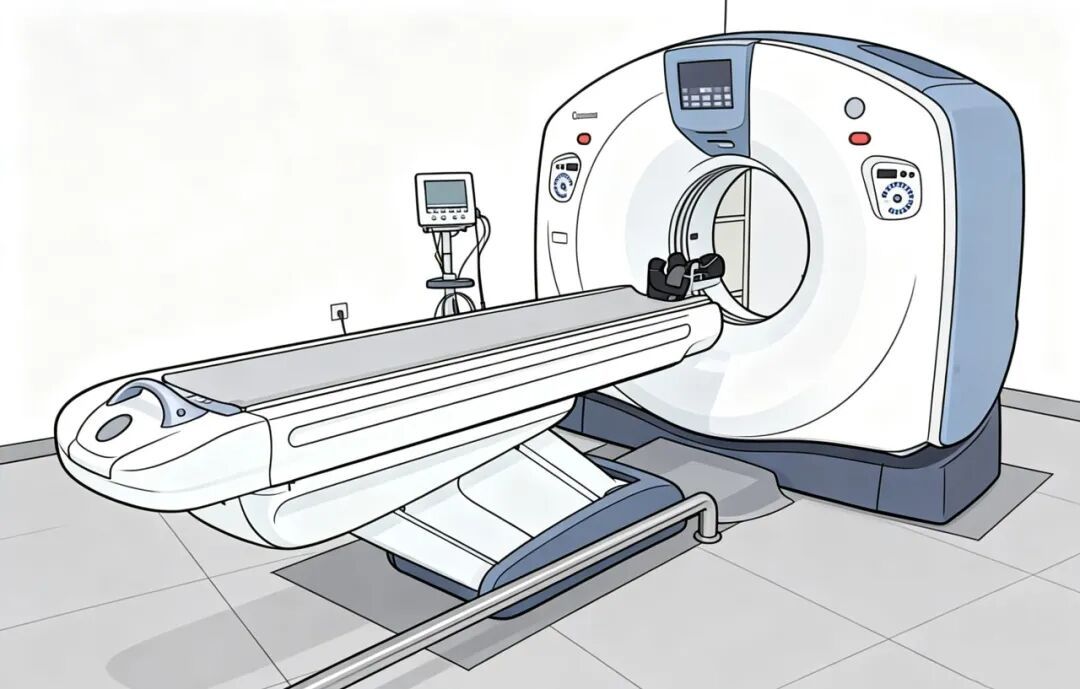
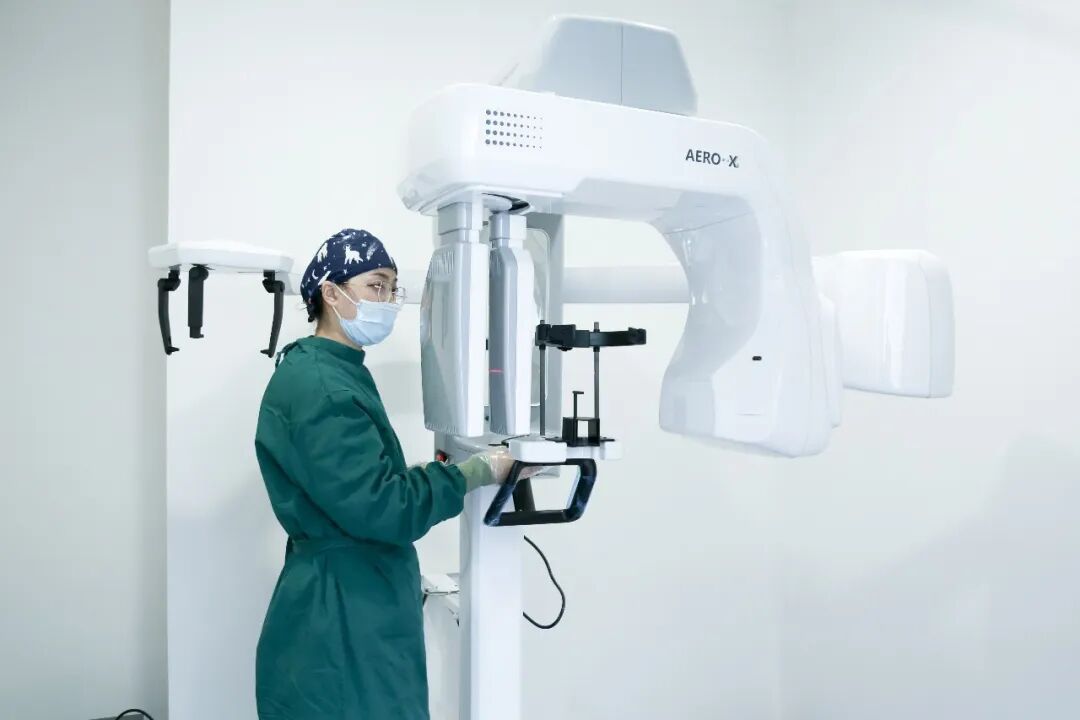
(Multi-slice computed tomography, MSCT — common in hospitals) But that's not what dental clinics use. Most dental practices have a 3-in-1 CBCT unit (cone beam computed tomography) — one machine takes panoramic, lateral and CT images.
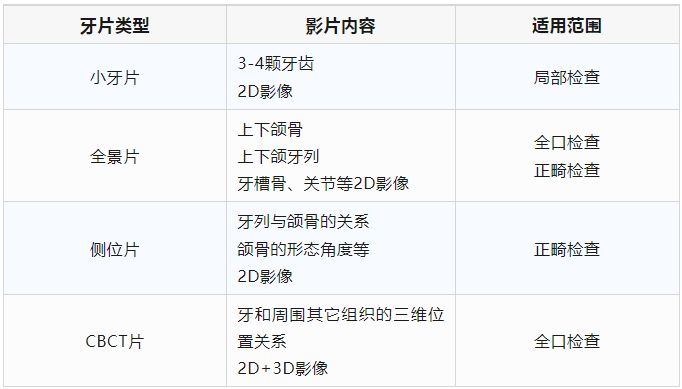
Finally, a comparison table to help you tell the types apart — now you know each X-ray serves a different purpose!
II. How much radiation is there, really?
Still reluctant? There's one last deep-down question: how much does the radiation affect the body? Look up "radiation" and you'll find: every object in nature above absolute zero (−273.15 °C) constantly emits energy as electromagnetic waves and particles — that is radiation. So while you worry about your phone radiating you, your phone is worried about you radiating it. Medically, radiation dose is measured in millisieverts (mSv): 1 mSv = 1,000 μSv (microsieverts).
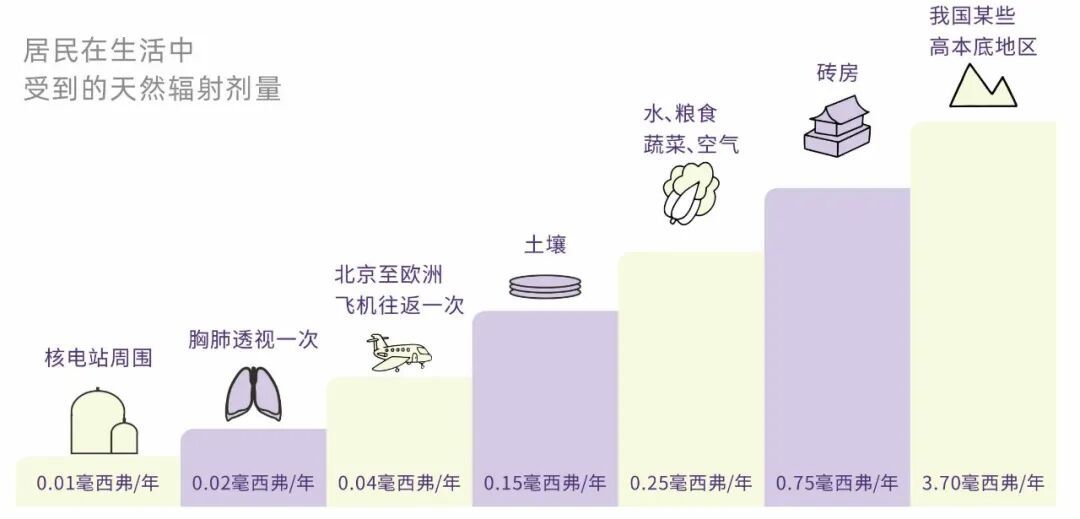
· A round-trip flight between Beijing and Europe: 0.04 mSv per trip.
· What a person receives per year from water, food, vegetables and air: 0.25 mSv/year.
· Living in a brick house: 0.75 mSv/year.
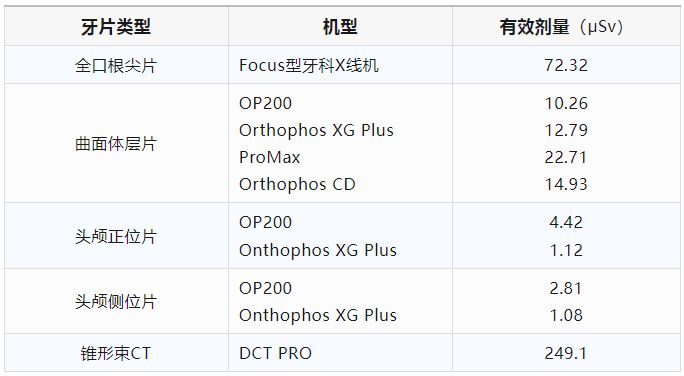
You feel none of it and it has no effect on you, right? A dental X-ray's dose is so small it isn't even measured in millisieverts but in thousandths of that — microsieverts. One periapical or panoramic film is about 10 μSv (0.01 mSv), while the lowest dose known to affect cancer rates is 100 mSv — dental X-rays don't come anywhere close.
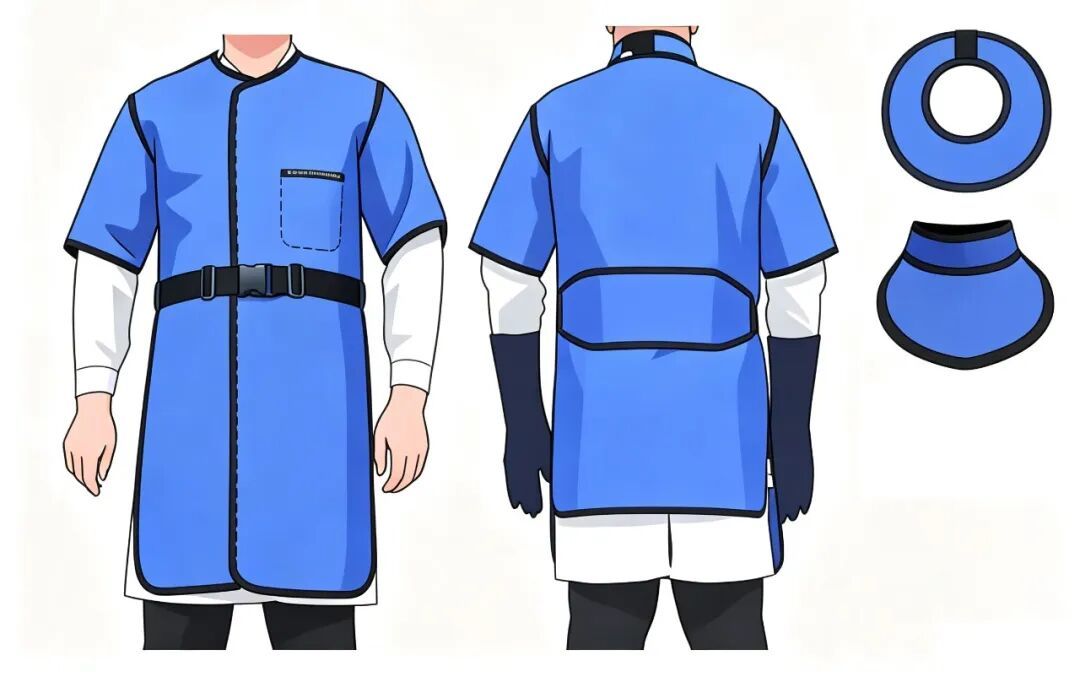
That said, professional radiation protection for sensitive organs outside the imaged area is necessary, and staff will provide standard protective gear. Special populations: children can be imaged with the thyroid and other sensitive areas shielded; pregnant women can undergo necessary X-rays with abdominal and thyroid protection; and nursing mothers can be imaged normally.
Summary
Dental exams use several X-ray types for different situations: periapical films for localized checks; panoramic films for full-mouth and orthodontic exams; lateral films mainly in orthodontics; CT for three-dimensional, periodontal and joint detail.
Common dental imaging devices are the periapical X-ray unit and the CBCT machine.
Dental X-ray radiation is extremely small — far below any level linked to cancer.
With proper protection, special populations can safely have dental X-rays.
Now that everything about dental X-rays is clear, the next time your dentist orders one, you won't need to worry.
This article is general health education and does not replace individualized diagnosis and treatment advice from your doctor. Author: Dr. Huabing Liu.

Master of Oral & Maxillofacial Surgery, West China School of Stomatology, Sichuan University · Attending Stomatologist · General Dental Practitioner · Implant Specialist. Orthodontic proofreading and case provided by Dr. Chen Liang.

Master of Orthodontics, West China School of Stomatology, Sichuan University · Attending Stomatologist · Orthodontic Specialist · Invisalign certified · Angelalign certified · Angelalign certified lecturer · Formula lingual certified · eBrace lingual certified.

About Huayu — Huayu Dental is part of Anyu Dental Group (est. 1991, formerly the Ministry of Health Stomatological Implant Science and Technology Center). Since 2015, guided by the philosophy "your lifelong friend," the brand operates a network of accredited facilities across Chengdu and Dazhou, had served over 530,000 patient visits by 2025, and earned KPMG's "Leading Dental Service Brand" award.
Clinical team: elite dentists and rotating-consultant system. Backed by the group's deep expertise, the brand brings together 30-plus clinicians — including 4 Ph.D.s and 13 master's-degree holders — from West China, Peking University and other leading schools. Group-wide clinician sharing, senior-doctor rotating consultations, remote case reviews and joint case discussions keep care quality uniform across locations.
Four specialty systems covering the full life cycle: comprehensive tooth-preserving care (microscopic endodontics, minimally invasive extractions, periodontal therapy, multidisciplinary "save whenever possible"); implant restoration for missing teeth (built on the group's 30-year implant heritage and its Ministry of Health implant-center genes); joint orthodontics & TMJ clinics (aligner and fixed techniques, orthodontic-periodontal-restorative-TMJ integration); and pediatric oral health management (caries prevention, early bite management, child-friendly care).